 YonixHub
Did you know that over 90% of altcoin traders lose money in the long run? This staggering statistic underscores the importance of having a solid risk management framework when navigating the volatile landscape of altcoins.
Why This Matters
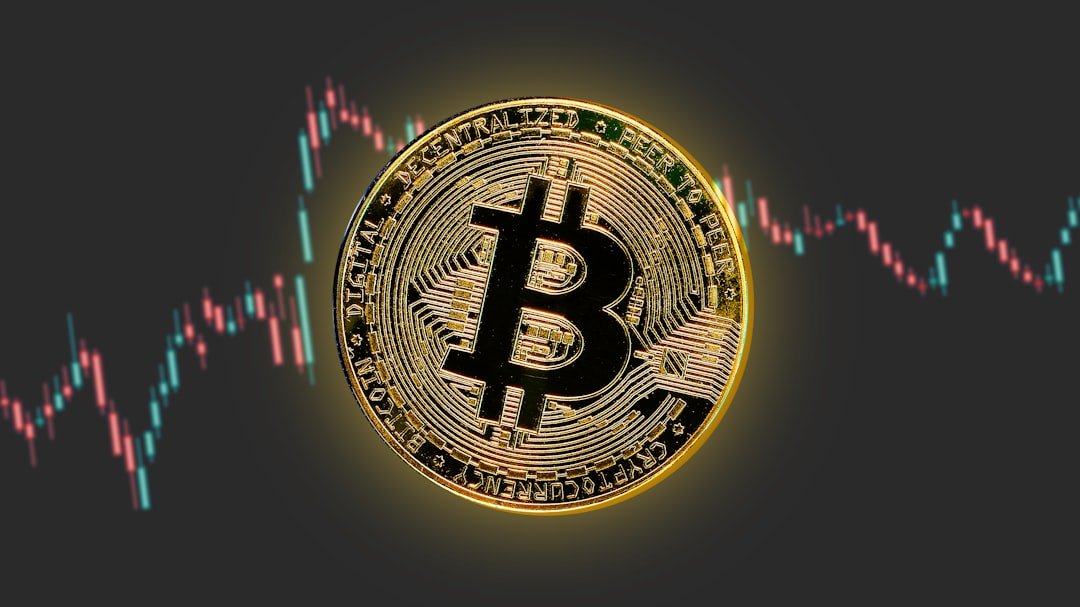
As of April 27, 2026, the cryptocurrency market shows some tumultuous shifts, with Bitcoin (BTC) priced at $77,062 and Ethereum (ETH) at $2,294, both experiencing downturns of -1.66% and -2.82%, respectively. For traders focusing on altcoins like Solana (SOL) at $84.53 and BNB at $624.95, the need for a robust risk management strategy is paramount. Altcoins are generally more volatile than Bitcoin or Ethereum, making it critical to protect our investments against significant losses.
What Traders Should Do
- Set Clear Investment Limits: Determine how much of your capital you are willing to risk on each trade.
- Utilize Stop-Loss Orders: Implement stop-loss orders to automatically sell altcoins when they hit a certain price.
- Diversify Your Portfolio: Avoid putting all your funds into a single altcoin; spread your investments across multiple assets.
- Monitor Market Trends: Stay informed about market dynamics and use technical analysis to gauge price movements.
- Practice Position Sizing: Tailor the size of your trades according to your risk tolerance and account balance.
Risks and Opportunities
- Market Volatility: Altcoins can experience rapid price swings, leading to potential gains or significant losses.
- Regulatory Changes: New regulations can impact the viability of certain altcoins, presenting both risks and opportunities.
- Innovative Technologies: Projects that solve real-world problems can lead to substantial growth, but they also carry execution risks.
“In altcoin trading, the biggest challenge is managing emotion, especially during volatile swings. Stick to your plan.” — Sarah Jenkins, Crypto Market Analyst
Frequently Asked Questions
What is risk management in trading?
Risk management in trading refers to the strategies and practices used to minimize potential losses while maximizing gains, ensuring traders protect their capital.
How much of my capital should I risk on a single trade?
A common guideline is to risk no more than 1-2% of your total trading capital on a single trade to safeguard your portfolio from significant losses.
What is a stop-loss order?
A stop-loss order is an automated trading tool that instructs your broker to sell an asset when it reaches a predetermined price, helping to limit losses.
As we navigate the complexities of altcoin trading today, it’s clear that a well-defined risk management framework is essential. By implementing these strategies, we can better position ourselves to seize opportunities while minimizing potential setbacks.