 YonixHub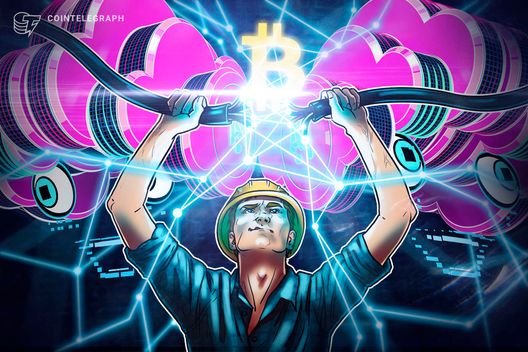
As the demand for artificial intelligence (AI) continues to surge, Bitcoin miners find themselves uniquely positioned to become critical suppliers in the evolving infrastructure landscape. With control over a staggering 27 gigawatts (GW) of planned power and a staggering $90 billion tied to AI deals, these miners are redefining what it means to be at the intersection of cryptocurrency and technology.
Why This Matters
Our readers should be aware that electricity is rapidly becoming the main constraint on data center growth. As AI applications require more computational power, the demand for energy-efficient solutions is paramount. Those miners who can provide reliable and inexpensive power are not just facilitating Bitcoin transactions; they are actively participating in the burgeoning AI ecosystem. This relationship underscores the strategic advantage miners have, placing them in a unique position to influence how data centers operate and scale in a market that increasingly prioritizes energy efficiency.
What To Do About It
- Evaluate investments in Bitcoin mining firms that are expanding their infrastructure.
- Monitor the energy markets closely to gauge how they impact both Bitcoin and AI sectors.
- Consider diversification into companies that provide AI solutions powered by renewable energy.
- Stay informed about regulatory changes that may affect cryptocurrency mining and energy consumption.
- Research blockchain projects that focus on energy efficiency to identify future growth opportunities.
Risks and Opportunities
- Opportunity: Increased collaboration between Bitcoin miners and tech firms could lead to innovative solutions.
- Risk: Regulatory pressures may curtail energy consumption, affecting miner profitability.
- Opportunity: Miners can pivot towards renewable energy sources to enhance sustainability credentials.
- Risk: The volatility of Bitcoin prices can impact funding for mining operations.
- Opportunity: As AI technology matures, miners could expand their portfolios to include data processing services.
"The intersection of Bitcoin mining and AI infrastructure could redefine the energy landscape, as miners leverage their power resources for economic gains." - Mike Wong, Senior Analyst at Bernstein
Frequently Asked Questions
How do Bitcoin miners contribute to AI infrastructure?
Bitcoin miners contribute by providing essential energy resources that can be harnessed for data centers, which are the backbone of AI applications.
What risks do Bitcoin miners face in the evolving tech landscape?
Risks include regulatory changes that could limit energy use and the inherent volatility of cryptocurrency prices that can impact their financial stability.
Can Bitcoin mining support renewable energy initiatives?
Yes, many Bitcoin miners are exploring renewable energy sources, aligning their operations with sustainable practices that appeal to environmentally conscious investors.
Bitcoin miners are not just participants in a niche market; they are evolving into pivotal players in the AI sector, creating new dynamics that could reshape the future of technology.