 YonixHub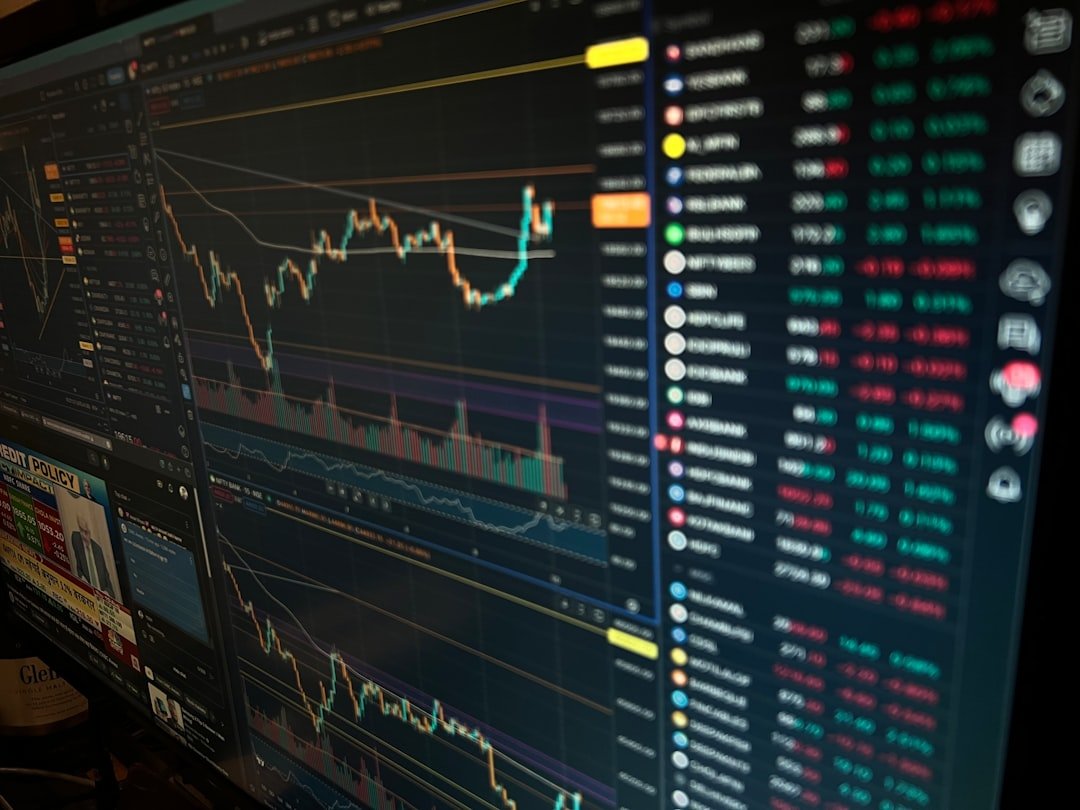
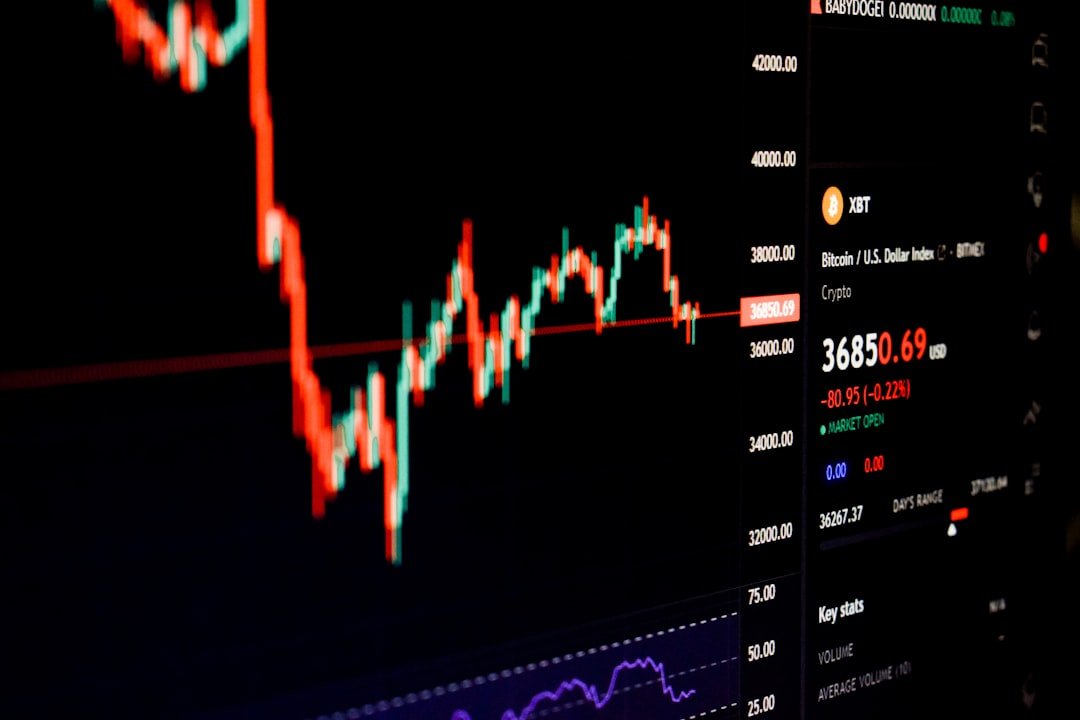
On Thursday, West Texas Intermediate (WTI) crude oil experienced a brief surge, climbing nearly 2.5% to hit a high of $85.50 per barrel, only to retract and close the day at around $83.45. This familiar dance of price volatility has emerged as traders continue to parse through geopolitical factors, particularly concerning the Strait of Hormuz, through which a significant percentage of the world’s oil supply flows.
Why This Matters
The Strait of Hormuz remains a critical chokepoint for oil shipments, with about 20% of global oil trade passing through it. Any disruption here can cause a ripple effect across global markets. Despite the initial uptick in oil prices driven by fears of potential military escalations, the market ultimately settled back down, revealing a general skepticism about the permanence of the risk. This fluctuation highlights the fragile balance traders must maintain between reacting to news and relying on fundamental market data.
What To Do About It
- Monitor geopolitical news closely, especially regarding Middle Eastern tensions.
- Consider diversifying your portfolio to hedge against oil price volatility.
- Utilize technical analysis to identify potential support and resistance levels in crude oil.
- Stay informed on OPEC’s production decisions, as these can significantly impact prices.
- Examine correlation trends between oil prices and currency pairs like USD/CAD or AUD/USD.
Risks and Opportunities
- Risks: Any significant military conflict in the region could lead to a spike in oil prices, affecting inflation and driving up costs globally.
- Opportunities: Traders could find short-term opportunities in price swings, taking advantage of the volatility in response to news events.
- Risks: Over-reliance on geopolitical news can mislead traders away from fundamental analysis.
- Opportunities: A stable OPEC output could lead to lower price volatility and more predictable trading conditions.
“The market's initial reaction to geopolitical tensions often oversells the risks, leading to sharp corrections,” said Mark Thompson, Senior Oil Analyst at Energy Insights.
Frequently Asked Questions
What factors influence crude oil prices?
Crude oil prices are influenced by a variety of factors including geopolitical tensions, OPEC production levels, global economic conditions, and currency fluctuations.
How does the Forex market react to oil price changes?
Oil price changes can significantly impact currencies like the Canadian dollar and the Australian dollar, as both are closely tied to commodity exports.
What is the significance of the Strait of Hormuz?
The Strait of Hormuz is a strategic waterway that connects the Persian Gulf to the Arabian Sea, with a critical role in global oil transportation.
As we navigate the complexities of the oil market, it remains essential to stay informed and prepared. Market fluctuations, driven by geopolitical events, can present both risks and opportunities for traders in the Forex landscape.