 YonixHub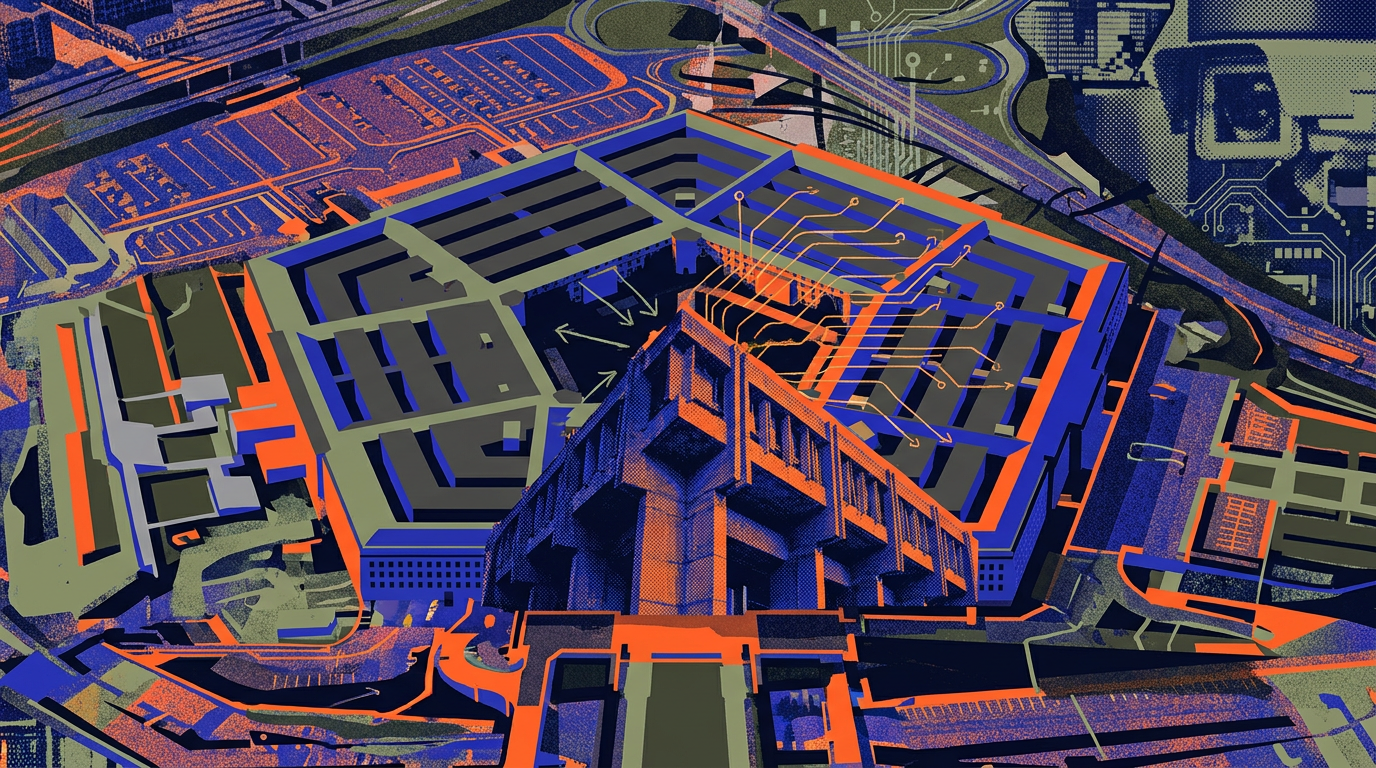
In a bold step towards modernizing its military capabilities, the Pentagon has enlisted the help of eight major tech companies to create an "AI-first fighting force". This initiative marks a significant shift in how the U.S. military is integrating artificial intelligence into its operations, an area where investment is expected to reach $12 billion by 2025.
Why This Matters
As global military dynamics evolve, the integration of AI in defense strategies is no longer a luxury but a necessity. The eight companies that have signed on—ranging from industry titans to cutting-edge startups—are set to enhance the Pentagon's operational efficiency, decision-making speed, and data analysis capabilities. However, Anthropic's exclusion from this initiative, primarily due to its refusal to comply with a controversial usage clause and associated security concerns, raises questions about the balance between innovation and security.
What To Do About It
- Stay informed about AI trends in defense to understand their broader implications.
- Consider investments in tech firms involved in military contracts as they may experience growth.
- Engage in discussions about ethical AI to better navigate the complexities of technology in warfare.
Risks and Opportunities
- Opportunities: Enhanced military effectiveness could lead to lower operational costs and quicker response times.
- Risks: Over-reliance on AI could introduce vulnerabilities, as adversaries may develop countermeasures.
- Opportunities: Public-private partnerships could spur innovations that benefit civilian sectors as well.
- Risks: Ethical concerns regarding autonomous weapons systems could provoke public backlash and regulatory scrutiny.
“The push towards AI in military applications is both an opportunity for the U.S. to maintain its technological edge and a potential risk if ethical considerations are overlooked,” says Dr. Emily Carter, Defense Technology Analyst.
Frequently Asked Questions
What are the main goals of the Pentagon's AI initiative?
The primary goals include improving operational efficiency, speeding up decision-making, and enhancing data analysis capabilities within military networks.
Why was Anthropic excluded from the Pentagon's contracts?
Anthropic opted out due to a specific usage clause in the contract that raised security concerns, making the company a potential risk in a classified environment.
How is AI expected to change military operations?
AI is anticipated to automate various tasks, from data processing to strategic simulations, enabling military personnel to focus on high-level decision-making.
This collaboration between tech giants and the Pentagon underscores a pivotal shift in military strategy, where artificial intelligence is no longer just a tool but a cornerstone of future defense operations.