 YonixHub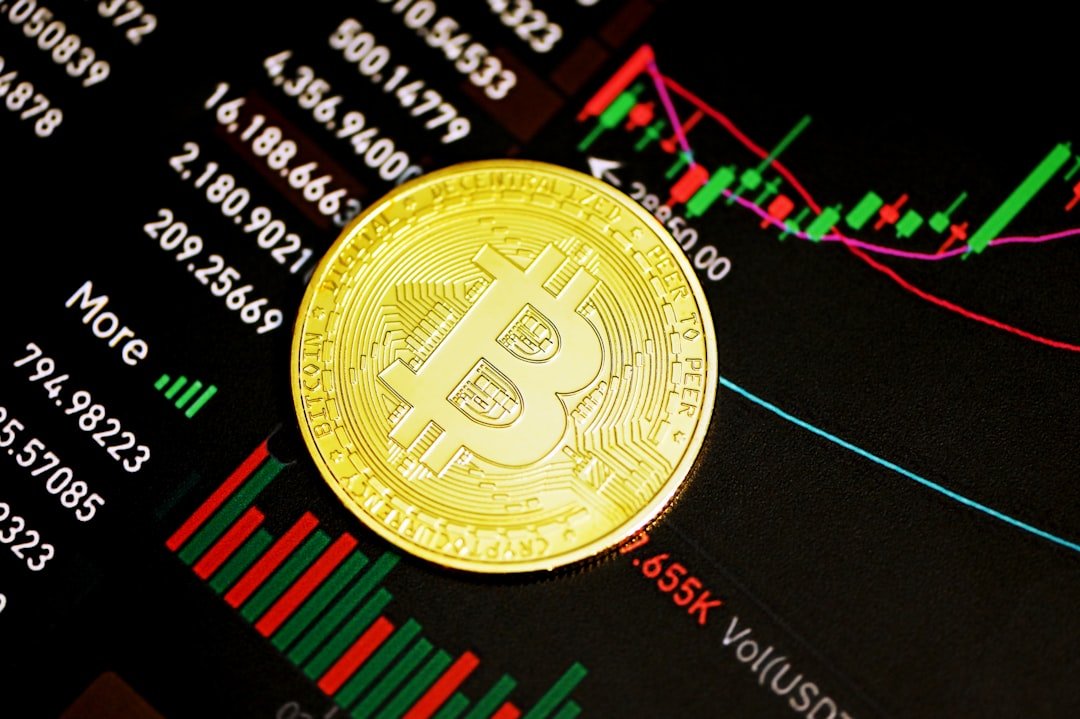
Despite the looming fears of a global recession, Bitcoin remains resilient, currently priced at $77,062. This surprising stability amid market fluctuations prompts us to analyze which assets are performing best under current economic conditions. In recent months, we have witnessed a significant decline in traditional markets, with the S&P 500 and Dow Jones Industrial Average both experiencing notable downturns. In this context, Bitcoin's performance is particularly noteworthy, as it challenges the narrative that cryptocurrencies are simply speculative investments.
Why This Matters
Understanding how different assets behave during economic downturns can provide critical insights for our readers. Historical data shows that during past recessions, certain asset classes have consistently outperformed others. For instance, commodities like gold have traditionally served as safe havens, retaining their value when stocks plummet. With the potential for a global recession affecting investor sentiment, knowing which assets typically thrive can help us navigate these turbulent waters. Moreover, it’s crucial for investors to recognize the importance of asset correlation during downturns, as this can significantly impact portfolio performance.
What Traders Should Do
- Consider diversifying portfolios with traditionally stable assets, such as U.S. Treasury bonds and real estate investment trusts (REITs), which tend to provide steady income even in uncertain times.
- Monitor the performance of cryptocurrencies, especially Bitcoin and Ethereum, as they may serve as a hedge against inflation and currency devaluation.
- Stay informed on global economic indicators that may impact market trends, such as GDP growth rates, unemployment statistics, and consumer confidence indexes.
- Evaluate exposure to riskier assets like Solana and BNB, which may offer high rewards but are subject to greater price volatility.
Risks and Opportunities
- Increased market volatility can lead to sudden price swings, creating both risks and potential profit opportunities for traders.
- Stable assets like gold may see a resurgence in demand, particularly if inflation continues to rise and central banks respond with monetary tightening.
- Cryptocurrencies can offer high returns but come with significant risk, especially as regulatory scrutiny increases worldwide.
- Equities may decline, but select sectors, such as technology and healthcare, could present buying opportunities as they adapt to changing consumer needs.
“In times of economic uncertainty, investors often turn to Bitcoin as a digital gold alternative,” said Mark Thompson, a financial analyst at CryptoInsights. “Many see it as a hedge against fiat currency depreciation.”
Frequently Asked Questions
What assets typically perform well during a recession?
Assets like gold, bonds, and dividend-paying stocks are generally seen as safe havens during economic downturns. For example, during the 2008 financial crisis, gold prices surged as investors sought security in physical commodities.
Can cryptocurrencies be considered safe during a recession?
While cryptocurrencies like Bitcoin can be volatile, they are viewed by some as alternative stores of value in uncertain times. The narrative of Bitcoin as 'digital gold' has gained traction, especially as institutional adoption increases.
What is one insider tip for beginners in this market?
New investors should consider setting stop-loss orders to protect against sudden market dips, especially in a volatile environment. Additionally, maintaining a diversified portfolio can mitigate risks associated with any single asset class.
As we continue to monitor the evolving market landscape, our focus remains on strategically navigating potential risks while seizing opportunities in the face of global recession fears. Continued education and awareness will be essential for investors looking to thrive in this challenging economic climate.