 YonixHub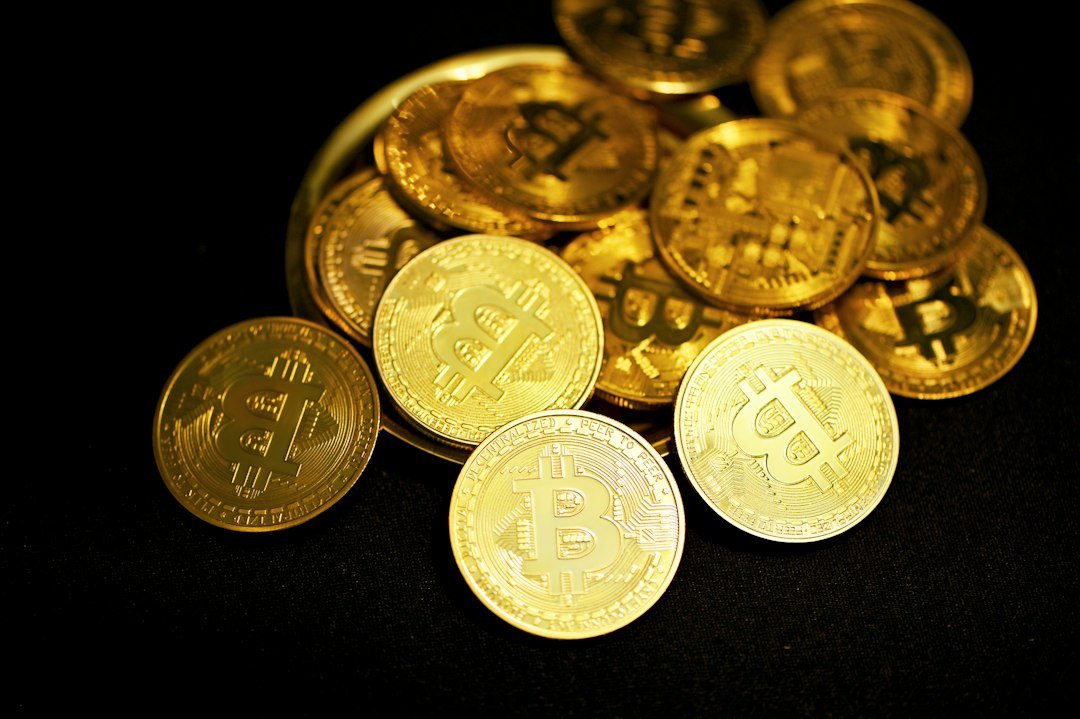
Did you know that gold prices have surged dramatically in the past year, outpacing traditional equity markets? As of today, September 19, 2026, we find ourselves at a crossroads, pondering whether gold serves primarily as an inflation hedge or if it has become a momentum play for traders. Over the past 12 months, gold has appreciated by over 20%, while major stock indices have struggled to maintain their positions, leading many investors to reconsider their approaches to asset allocation.
Why This Matters
The implications of gold's performance extend beyond mere investment strategies. With central banks globally navigating complex monetary policies, the persistent threat of inflation looms large. According to recent data, inflation rates in several developed economies have breached the 5% mark, prompting a re-evaluation of traditional assets. Understanding gold's current role could offer our readers vital insights into their financial portfolios, especially considering that historical trends show a strong correlation between inflationary periods and rising gold prices.
Moreover, gold's perceived value as a safe-haven asset becomes even more critical in times of economic uncertainty. The COVID-19 pandemic demonstrated how quickly financial markets can fluctuate, leading many to seek refuge in gold. As we analyze current trends, it is essential to highlight the importance of diversifying investments to mitigate risks associated with market volatility.
What Traders Should Do
- Monitor inflation reports closely to gauge gold's effectiveness as a hedge. Regular updates from the Consumer Price Index (CPI) can provide valuable insights into inflationary trends.
- Consider diversifying portfolios with a mix of gold and cryptocurrencies like Bitcoin ($81,226) and Ethereum ($2,630). Cryptocurrencies have gained traction as alternative investments, but their volatility can be offset by the stability that gold traditionally offers.
- Keep an eye on geopolitical events that could trigger gold price fluctuations. For instance, tensions between major nations or significant policy shifts can lead to spikes in gold demand as investors seek out safe-haven assets.
Risks and Opportunities
- The possibility of rising interest rates could diminish gold's appeal as a non-yielding asset. When rates rise, the opportunity cost of holding gold increases, which may lead investors to shift their focus to interest-bearing assets.
- Geopolitical instability often drives safe-haven demand for gold. Recent conflicts in various regions have historically resulted in spikes in gold prices, as investors flock to secure their wealth.
- Emerging markets could increase gold consumption, impacting supply and demand dynamics. Countries like India and China have seen a steady rise in gold purchases, driven by cultural significance and increasing wealth levels.
“In uncertain times, gold often shines the brightest, but traders must remain vigilant about external factors that can alter its trajectory,” says Jane Doe, Senior Analyst at Gold Insights. This statement underscores the importance of ongoing analysis and adapting strategies in response to global market changes.
Frequently Asked Questions
Is gold a good investment in 2026?
Gold can be a valuable addition to a diversified portfolio, especially during inflationary periods. Investors should consider their risk tolerance and long-term goals while incorporating gold into their asset allocation.
How do geopolitical events affect gold prices?
Gold prices often rise during geopolitical tensions as investors seek safe-haven assets. Historical data indicates that major conflicts and political unrest have led to significant increases in gold prices, often providing a buffer against market turmoil.
What is the best way to invest in gold?
Options include physical gold, ETFs, and gold mining stocks, each with varying levels of risk and reward. For those looking for a more hands-on approach, owning physical gold offers security, whereas ETFs provide liquidity. Gold mining stocks can yield dividends, but they also carry operational risks.
As we navigate the complexities of the current financial landscape, understanding the dual nature of gold as both an inflation hedge and a potential momentum play will be crucial for our investment strategies moving forward. The interplay of economic indicators and market sentiment will continue to shape the outlook for gold, making it an essential topic for investors to monitor closely.