 YonixHub
In a surprising twist, Bank Indonesia Governor Perry Warjiyo has stepped down from his position, sending shockwaves through the financial markets. This unexpected move comes amid a challenging economic landscape, with inflation hovering around 3.5% and the Rupiah trading at approximately IDR 15,000 against the USD. The abrupt exit raises important questions about the future of Indonesia’s monetary policy and financial stability.
Why This Matters
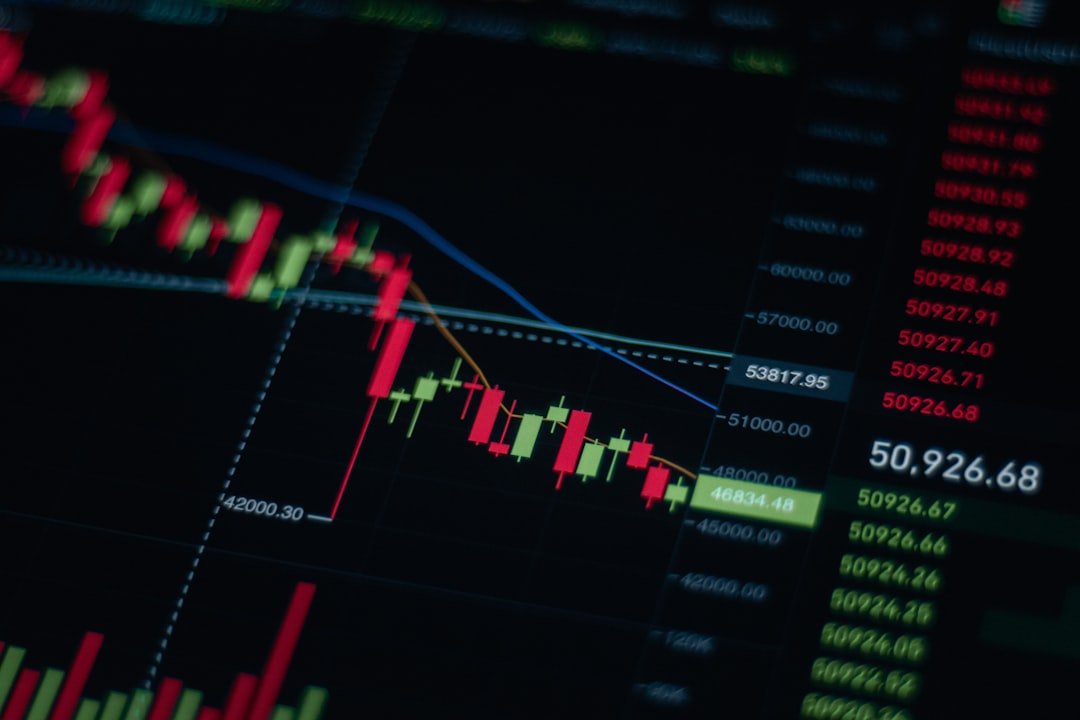
Warjiyo's resignation is significant for multiple reasons. First, it creates uncertainty regarding the continuity of monetary policy. Our readers should understand that the central bank's leadership plays a crucial role in maintaining currency stability and investor confidence. The initial market reaction saw a retreat in onshore assets, with the Rupiah slipping about 1% against the dollar and bond yields rising, indicating a reassessment of risk among investors.
What To Do About It
- Monitor Rupiah movements closely; fluctuations may present trading opportunities.
- Consider diversifying investments to mitigate risks associated with currency volatility.
- Stay updated on government announcements regarding a new central bank governor and potential policy shifts.
Risks and Opportunities
- Risk: Ongoing political instability could further exacerbate investor uncertainty, leading to a depreciation of the Rupiah.
- Opportunity: If the new governor adopts a proactive approach, it could stabilize the currency and attract foreign investment.
- Risk: Global economic conditions, including interest rate hikes in the US, may also influence capital flows.
- Opportunity: Indonesia's strong economic fundamentals, such as a growing digital economy, may still attract long-term investors.
"The departure of Governor Warjiyo adds a layer of complexity to the already volatile Indonesian financial landscape, and we anticipate increased market reactions in the short term," said Radhika Rao, Economist at DBS Group Research.
Frequently Asked Questions
What will happen to the Rupiah after Warjiyo's resignation?
While short-term volatility is expected, the long-term outlook will depend on the new leadership and policy direction set by the upcoming governor.
How should investors react to this uncertainty?
Investors should consider diversifying their portfolios and keeping an eye on macroeconomic indicators that may signal recovery or further decline.
What should we monitor in the coming weeks?
Key indicators to watch include inflation rates, government policy announcements, and activity in Indonesia’s bond and currency markets.
As we navigate this tumultuous phase in Indonesia’s financial landscape, our approach will be to remain vigilant and adaptable, ensuring that we are prepared for the potential changes ahead.