YonixHub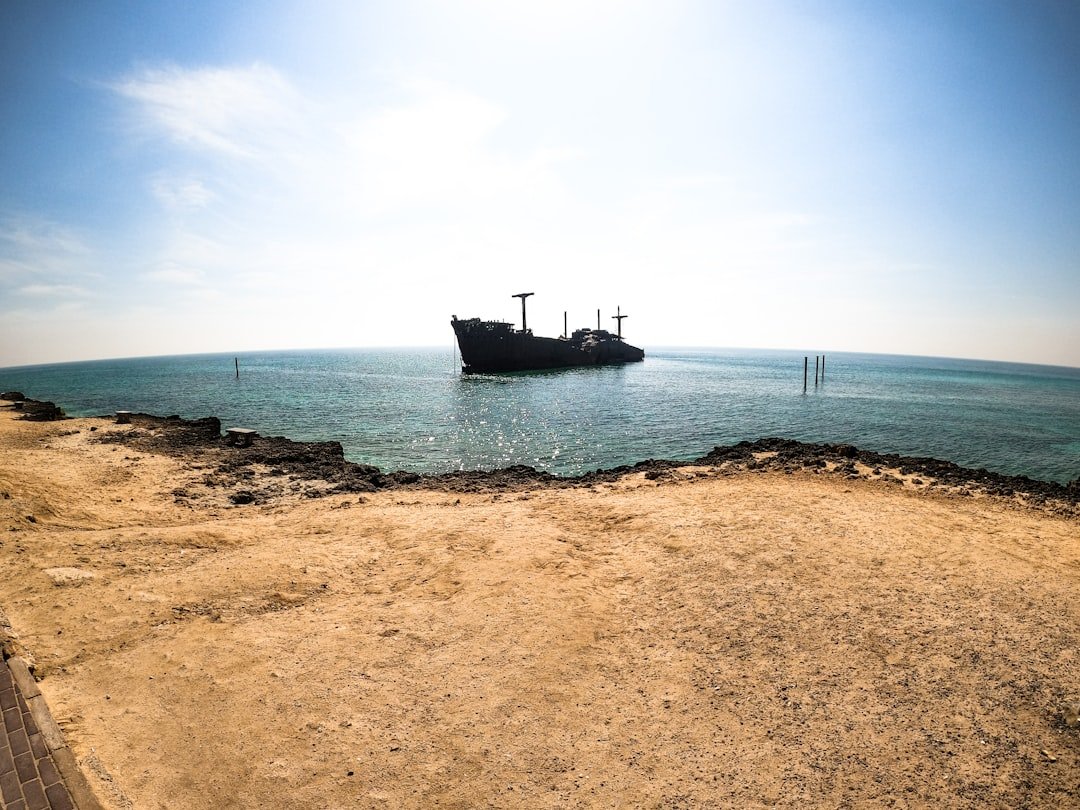
Iran's Innovative Approach to Oil Payments
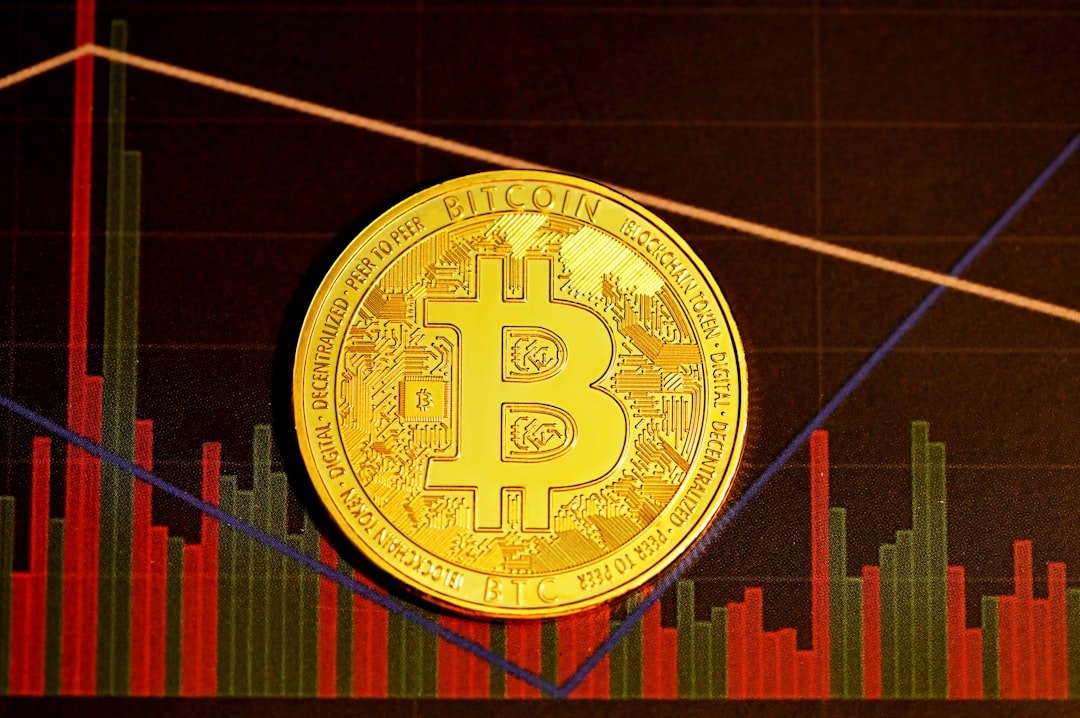
Iran is making headlines with its latest move to accept Bitcoin payments from oil ships navigating the strategic Strait of Hormuz. This proposal, reported by the Financial Times, is part of Iran's broader strategy to circumvent international sanctions that have severely impacted its economy. By leveraging cryptocurrency, Iranian officials believe they can secure transactions that are immune to confiscation or traceability, thus ensuring the flow of oil trade despite geopolitical pressures.
Strategic Importance of the Strait of Hormuz
The Strait of Hormuz is a critical chokepoint for global oil shipments, with approximately 20% of the world's oil passing through this narrow passage. Given its significance, Iran's willingness to accept Bitcoin signifies a shift in how nations may conduct trade, particularly in the energy sector. This comes at a time when traditional financial systems are under scrutiny for their role in enforcing sanctions, which have been a significant tool for countries like the United States to exert pressure on regimes such as Iran's.
Cryptocurrency as a Sanction-Breaking Tool
By proposing Bitcoin as a payment option, Iran aims to tap into the decentralized nature of cryptocurrencies, which can operate outside the purview of traditional banking systems. This move not only enhances Iran's ability to transact with foreign buyers but also positions Bitcoin as a potential alternative for other nations facing similar sanctions. The implications of this strategy could lead to increased adoption of cryptocurrencies for international trade, challenging the dominance of fiat currencies in global markets.
Potential Ripple Effects on Global Oil Markets
The acceptance of Bitcoin for oil transactions could have significant ramifications for global oil markets. As more countries explore cryptocurrency options to mitigate the effects of sanctions, it may alter the dynamics of energy trading and pricing. This shift could also lead to increased volatility in both cryptocurrency and oil markets as stakeholders adjust to a new trading landscape. Furthermore, the move could inspire other countries under sanctions to consider similar strategies, thus reshaping the future of international trade.
Conclusion: The Future of Cryptocurrency in Global Trade
Iran's initiative to accept Bitcoin payments for oil shipments highlights the evolving role of cryptocurrencies in global trade, especially amid increasing geopolitical tensions. As nations look for innovative solutions to circumvent economic pressures, the use of Bitcoin could signal a new era in international commerce, where digital currencies play a pivotal role in securing trade routes and facilitating transactions.