 YonixHub
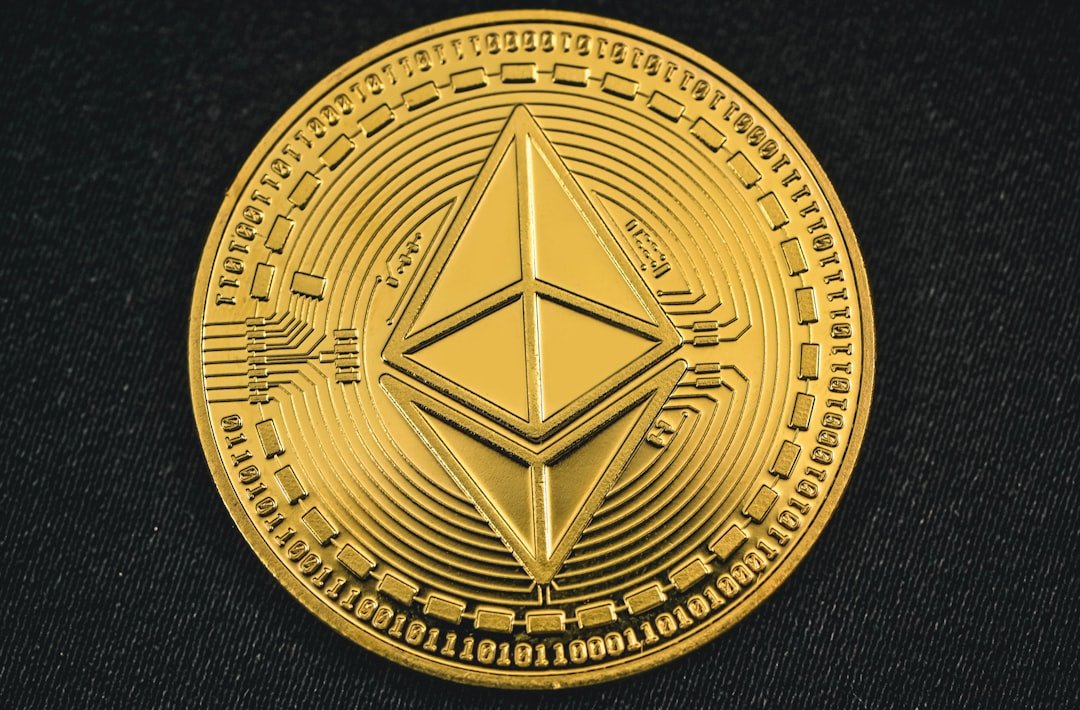
Did you know that Ethereum's gas fees can fluctuate dramatically, often exceeding $100 during peak times? As of today, April 23, 2026, gas fees remain a pressing concern for both casual users and serious traders.
Why This Matters
The rising popularity of decentralized finance (DeFi) and non-fungible tokens (NFTs) has led to increased congestion on the Ethereum network. With Ethereum trading at $2,332 today, the importance of layer 2 scaling solutions cannot be overstated. These solutions, such as Optimistic Rollups and zk-Rollups, significantly enhance transaction throughput, enabling lower fees and faster processing times. By addressing the scalability issues, they pave the way for broader adoption of blockchain technology.
What Traders Should Do
- Explore layer 2 solutions like Arbitrum and Polygon to minimize transaction costs.
- Monitor gas fees regularly to choose optimal times for trading.
- Leverage decentralized exchanges (DEXs) that operate on layer 2 to save on costs.
- Stay updated on Ethereum's transition to Ethereum 2.0, which may further help scalability.
- Consider diversifying into other networks like Solana, currently priced at $86.01, to mitigate gas fee risks.
Risks and Opportunities
- Layer 2 solutions are still evolving, which may introduce unforeseen bugs or vulnerabilities.
- The dependency on Ethereum's main chain could pose risks if network issues arise.
- However, successful rollouts can lead to a significant increase in user adoption and transaction volume.
- Adopting layer 2 could provide traders with a competitive edge in the ever-changing market.
“Layer 2 solutions are essential for Ethereum's future; they will enable the network to handle millions of transactions seamlessly,” says Alex Reinhardt, a blockchain analyst.
Frequently Asked Questions
What are layer 2 solutions?
Layer 2 solutions are technologies built on top of a blockchain that enhance its scalability and transaction speed while reducing costs.
How do layer 2 solutions affect gas fees?
These solutions help alleviate network congestion, leading to significantly lower gas fees for users making transactions.
Are there risks associated with using layer 2 solutions?
Yes, while they offer benefits, they are still in development, which may lead to bugs or vulnerabilities that could compromise security.