 YonixHub
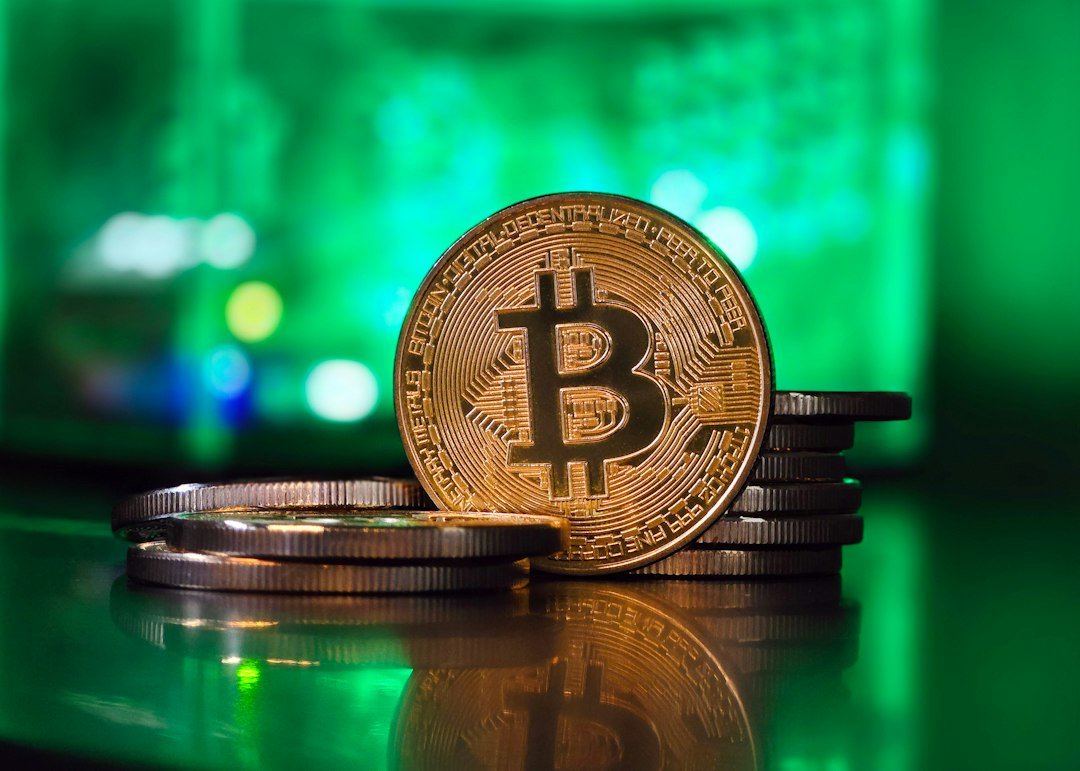
The stablecoin market cap has surged by an astonishing 15% this year alone, indicating a robust demand for these digital assets amidst a volatile cryptocurrency landscape. As of today, October 15, 2026, the market is navigating the complex waters of regulation while offering exciting opportunities for traders and investors alike.
Why This Matters
The increasing market cap of stablecoins reflects a growing preference for assets that provide stability in a generally volatile market. With Bitcoin currently priced at $82,403 and Ethereum at $2,454, the allure of stablecoins as a safe haven becomes ever more apparent. As institutions increasingly adopt cryptocurrencies, understanding the implications of stablecoins and their regulatory landscape is crucial for anyone looking to invest in this evolving sector.
What Traders Should Do
- Monitor regulatory news closely, as changes can impact stablecoin usability.
- Consider diversifying portfolios with stablecoins to hedge against volatility.
- Stay informed on the performance of leading stablecoins like USDC and Tether.
- Utilize stablecoins for easy transactions in the crypto market.
- Explore yield farming opportunities in stablecoin liquidity pools.
Risks and Opportunities
- Regulatory risks could lead to sudden market shifts and affect liquidity.
- Opportunities for yield generation in decentralized finance (DeFi) can provide attractive returns.
- Market acceptance could lead to increased adoption by mainstream financial institutions.
- Stablecoins might face competition from central bank digital currencies (CBDCs).
- Technological advancements could enhance the security and efficiency of stablecoin transactions.
"The rise of stablecoins is redefining how we think about digital currency, but regulatory clarity will be essential for sustained growth," says Jane Smith, a financial analyst at Crypto Insight.
Frequently Asked Questions
What is a stablecoin?
A stablecoin is a type of cryptocurrency designed to maintain a stable value by pegging it to a reserve of assets, such as fiat currency or commodities.
How does regulation affect stablecoins?
Regulation can determine how stablecoins are used, their backing assets, and the legal obligations of issuers, which can either hinder or enhance their adoption in the market.
Should I invest in stablecoins?
Investing in stablecoins can be wise for those seeking stability in their crypto portfolios, but it’s important to assess the associated risks and understand the regulatory environment.
As we navigate through October 2026, the stablecoin market's dynamics continue to evolve. Our readers should stay vigilant and informed as this sector influences the broader cryptocurrency landscape.