 YonixHub
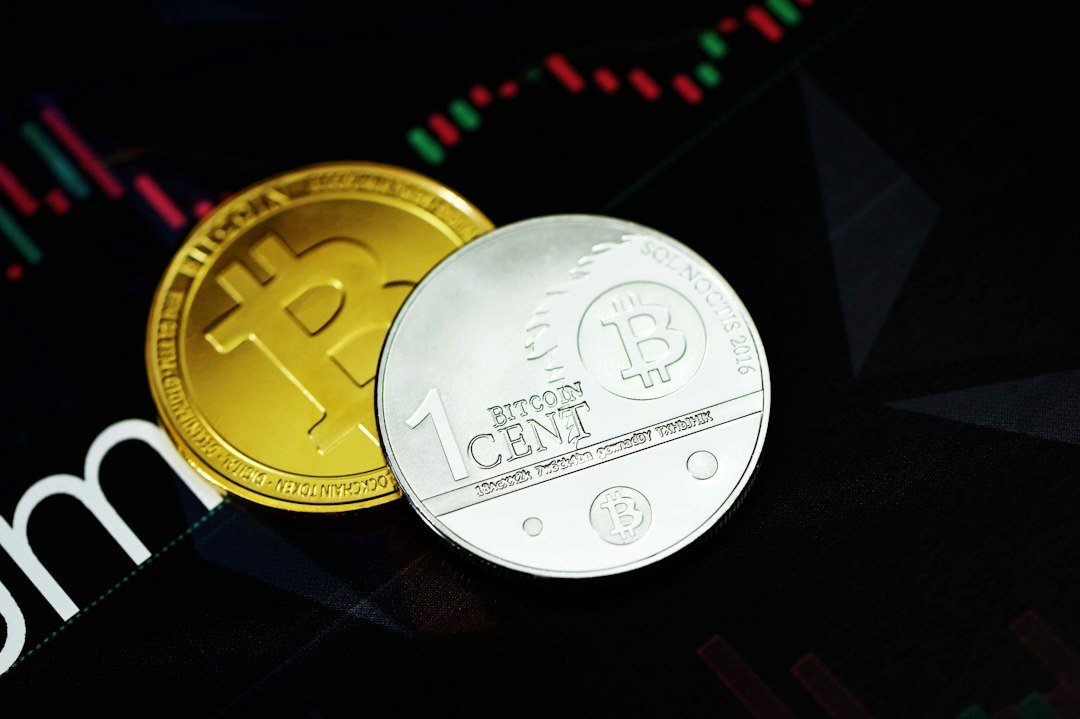
As of today, the stablecoin market cap has reached a staggering $150 billion, a figure that underscores its growing significance in the cryptocurrency ecosystem. This trend reflects not only the increasing adoption of digital currencies but also the critical role stablecoins play in facilitating transactions and providing liquidity.
Why This Matters
The stablecoin market is becoming an essential part of the financial landscape, especially as more investors and traders turn to cryptocurrencies for their portfolio diversification. With Bitcoin currently priced at $64,680 and Ethereum at $1,814, stablecoins serve as a bridge, allowing traders to mitigate volatility while maintaining exposure to the crypto market.
What Traders Should Do
- Monitor stablecoin liquidity to make informed trading decisions.
- Utilize stablecoins for faster transactions without converting back to fiat.
- Evaluate the regulatory landscape surrounding stablecoins to anticipate shifts in market dynamics.
Risks and Opportunities
- Regulatory scrutiny may lead to stricter compliance requirements for stablecoin issuers.
- Opportunities for growth exist as traditional financial institutions explore stablecoin integration.
- Market volatility in other cryptocurrencies can drive demand for stablecoins as safe havens.
"The future of stablecoins will depend on how regulators approach them. They could either stifle innovation or provide a clear path for growth," says Sarah Thompson, a leading cryptocurrency analyst.
Frequently Asked Questions
What are stablecoins?
Stablecoins are cryptocurrencies designed to have a stable value, often pegged to fiat currencies like the US dollar. They are used for trading, remittances, and as a store of value.
Why are stablecoins important in the crypto market?
They provide liquidity and a safe haven during periods of high volatility, enabling traders to manage risk effectively while maintaining their investments in cryptocurrencies.
How are stablecoins regulated?
Regulation varies by jurisdiction, but many governments are looking to establish frameworks that ensure transparency and consumer protection in stablecoin transactions.
As we continue to watch market trends and regulatory developments, it becomes increasingly clear that stablecoins are not just a temporary trend but a fundamental aspect of the evolving financial landscape.