 YonixHub
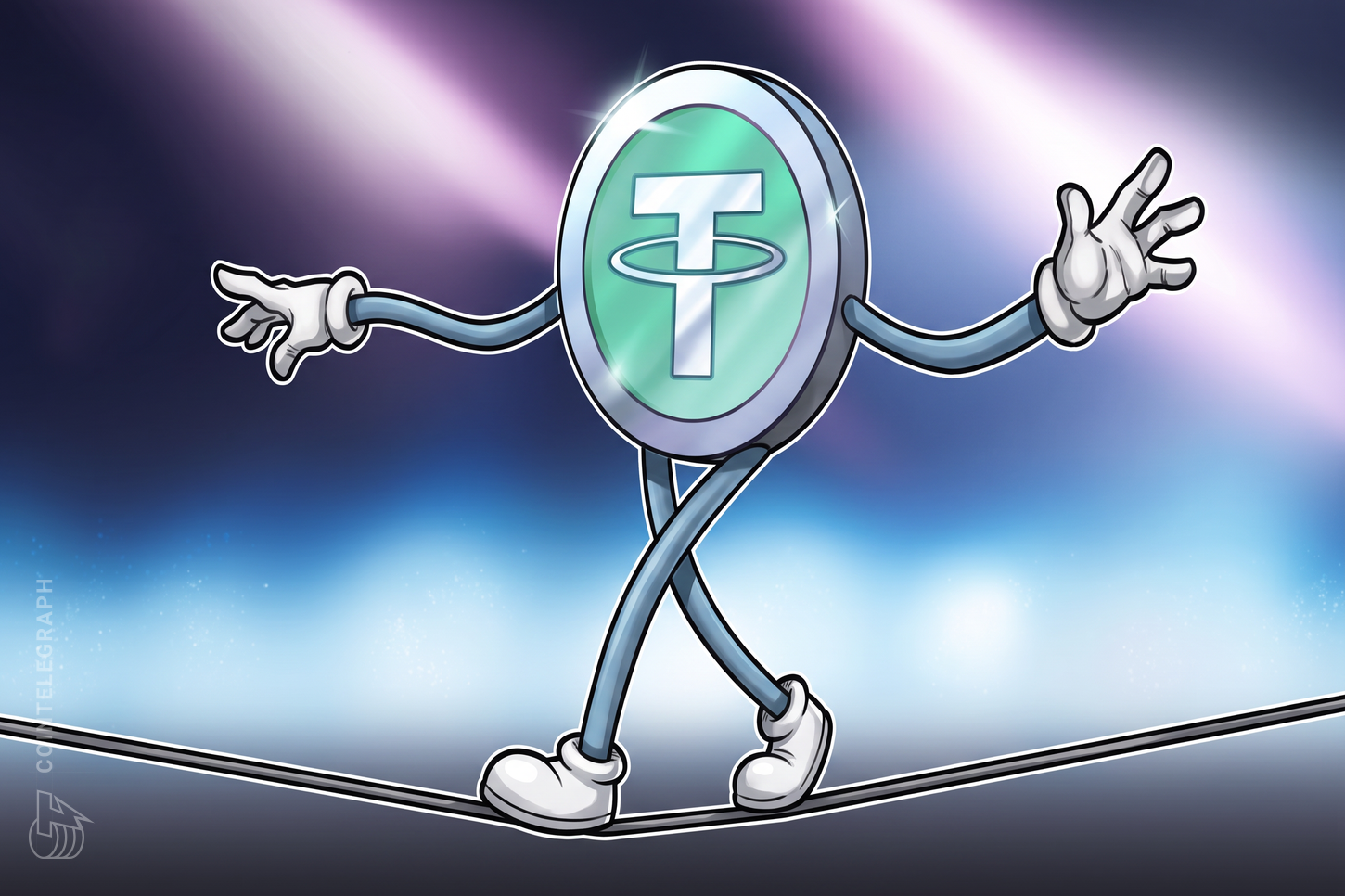
Despite the tumultuous landscape of the cryptocurrency market, Tether's USDT remains a pillar of stability with a market capitalization surging past $68 billion. Yet, in a surprising twist, S&P Global decided not to adjust its Stablecoin Stability Assessment for USDT, maintaining the lowest possible score of 5. This decision has ignited a firestorm of debate, as Tether takes a page from the financial crisis playbook, invoking parallels to "The Big Short" in its critique of S&P's evaluations.
Why This Matters
For our readers, the implications of S&P’s assessment are significant. A stablecoin like USDT, which is supposed to maintain a 1:1 peg with the US dollar, relies heavily on the perception of its reserves and overall stability. When S&P assigns a score of 5, it raises questions about the underlying assets and liquidity that support USDT. This could lead to a ripple effect in the broader cryptocurrency market, as investors may reconsider their positions based on perceived risks. With USDT being the most widely used stablecoin, any instability could potentially threaten trading volumes across numerous exchanges.
What To Do About It
- Assess your exposure to USDT and other stablecoins in your portfolio.
- Stay informed about S&P’s future ratings and how they might affect market sentiment.
- Consider diversifying into other stablecoins that might have different risk profiles.
- Monitor news related to Tether’s reserve disclosures and any regulatory developments.
- Engage with community discussions to gauge sentiment and potential market movements.
Risks and Opportunities
- Risks: Potential lack of transparency regarding reserves could lead to a loss of confidence in USDT.
- Risks: Regulatory scrutiny could increase, impacting Tether's operations and market positioning.
- Opportunities: If Tether successfully addresses concerns, it could bolster its credibility and attract more institutional investments.
- Opportunities: A shift in market dynamics could lead to the rise of alternative stablecoins, offering new investment avenues.
“Tether's stability is crucial for the broader crypto economy; any doubts can trigger market volatility,” said John Smith, Senior Analyst at Crypto Insights.
Frequently Asked Questions
What is S&P’s Stablecoin Stability Assessment?
S&P's Stablecoin Stability Assessment evaluates the risk associated with stablecoins, focusing on factors like reserves, governance, and operational risks.
Why is Tether challenging S&P's rating?
Tether argues that S&P’s assessment does not accurately reflect its operational improvements and transparency efforts regarding reserves.
How does USDT's market cap affect the cryptocurrency market?
As the largest stablecoin by market cap, USDT plays a crucial role in liquidity across exchanges and can influence trading volumes in volatile markets.
The ongoing discourse between Tether and S&P Global underscores the delicate balance of trust and transparency in the cryptocurrency ecosystem. As we navigate through these developments, we encourage our readers to stay vigilant and informed.